Second String, First Impact: The Unsung Texas Athletes Who Changed Games Nobody Expected Them To
The cameras are almost always pointed somewhere else when it happens.
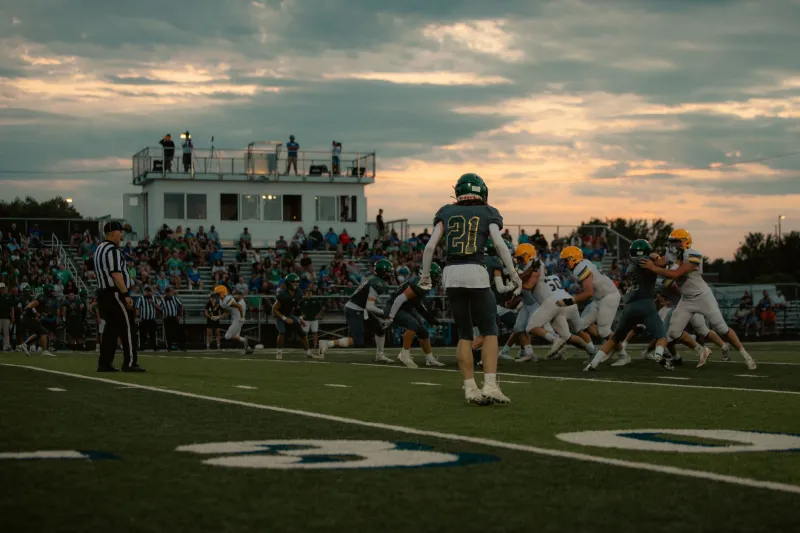
A starting quarterback goes down with a sprained ankle in the third quarter of a district title game. A key receiver gets ejected for a late hit. A starting defensive lineman fouls out of a basketball game with six minutes left on the clock. And then — without fanfare, without a scouting report, without a single highlight on anyone's radar — someone nobody was watching walks into the biggest moment of their athletic life.
In Texas, those moments happen all the time. And what happens next says everything about how these programs are built.
The Mythology of the Star vs. the Reality of the Roster
Texas high school and college sports are absolutely saturated with star power. The state produces more blue-chip recruits than almost anywhere else in the country, and those stars attract the attention they deserve. But obsessing over the headliners means missing a crucial part of the story: the players behind them.
Every dominant Texas program — from the storied Friday night powerhouses in the Dallas suburbs to the college programs competing for conference titles — runs deep. Not by accident. By design. The coaches who've built lasting success in this state understand something that doesn't always show up in recruiting rankings: a team with genuine depth is more dangerous than a team with a handful of stars and a hollow roster behind them.
The role players are the proof of concept for that philosophy.
What It Actually Takes to Be a Backup in Texas
Let's dispense with the notion that backup players in Texas high school football are simply kids who weren't good enough to start. In many cases, the players sitting second string at a powerhouse program in the DFW Metroplex or the Houston suburbs would be legitimate starters — possibly stars — at programs in other states. The competition for playing time in Texas is that intense.
That means backups in these programs are often highly capable athletes who simply exist in an environment where the talent density is almost absurd. They practice against elite competition every single day. They absorb complex playbooks. They develop football intelligence that pure physical talent doesn't always produce. And they do it without the ego-reinforcing feedback loop that comes with being a star.
There's something clarifying about that experience. You learn to love the preparation itself, because the preparation is all you've got. No one's writing articles about you. No college scouts are stopping by your house. You're working in the dark, and you either find meaning in that or you don't last.
The ones who find meaning in it? They're dangerous when their number gets called.
The Moment That Changes Everything
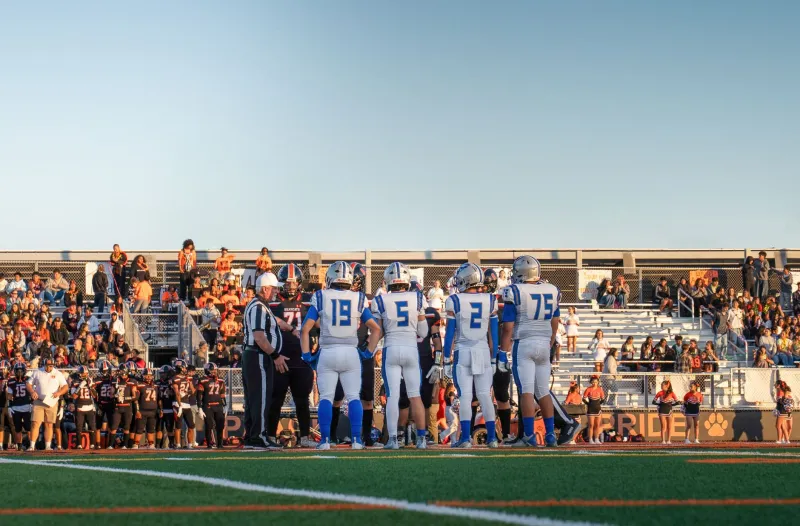
Texas football — at every level — is built around high-stakes moments. The atmosphere at a 6A state quarterfinal, or a rivalry game in a small West Texas town, is not a setting that forgives unpreparedness. When a role player steps into one of those environments unexpectedly, they're not just filling a roster spot. They're being asked to perform under conditions that most athletes never experience, against opponents who have been preparing for someone else.
The ones who thrive in those moments share a few consistent traits. They're students of the game who've used their time on the bench to study rather than stew. They've internalized the system so thoroughly that instinct and scheme become the same thing. And they've developed a psychological relationship with pressure that's different from a star's — because they've never had the comfort of knowing they were irreplaceable.
That last point is worth sitting with. Stars, by definition, know they're expected to perform. The psychological weight is enormous, but so is the identity reinforcement. Role players don't have that cushion. When they step up, they're doing so without a safety net — and without the expectation of success that can sometimes become its own burden.
Why Texas Programs Develop Depth Better Than Almost Anyone
This isn't random. The culture of preparation that Texas coaches instill — particularly at the high school level — treats every player on the roster as a potential contributor. Practice intensity doesn't drop when the backups take the field. Film sessions aren't optional for players who rarely see game action. The standard is the standard, regardless of where you sit on the depth chart.
This approach is partly philosophical and partly practical. Texas coaches know better than anyone that injuries, ejections, and unexpected circumstances are inevitable over the course of a long season. A program that only develops its top ten or twelve players is one bad snap away from unraveling. A program that develops thirty players is a different kind of threat entirely.
The best Texas high school coaches are almost fanatical about this. They talk about it in preseason meetings. They structure practice schedules around it. They make a point of publicly recognizing role players when they perform well, not just because it's good for morale, but because it sends a message to every player on the roster: your preparation matters, even when nobody's watching.
The Plays Nobody Forgets
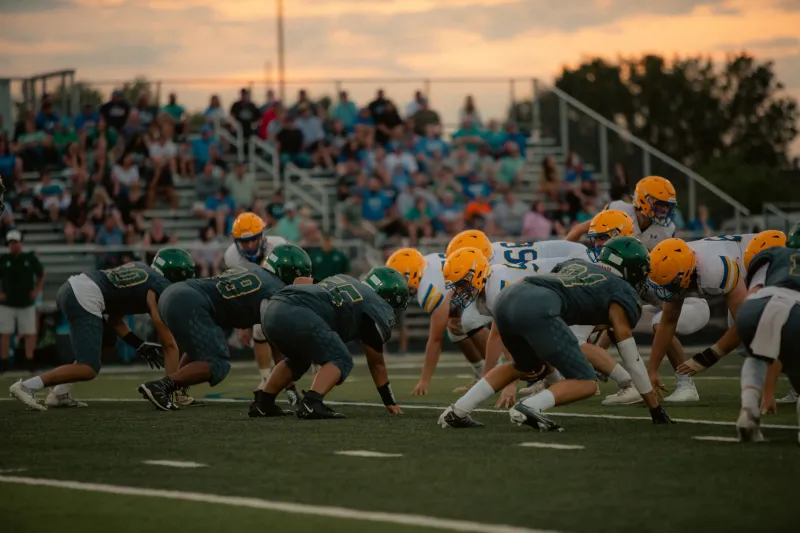
Ask any Texas football lifer about the games they remember most, and a surprising number of them involve a player who wasn't supposed to be in the spotlight. The backup who threw for three touchdowns when the starter went down. The third-string running back who found a crease nobody saw coming. The defensive end who'd been invisible all season and then recorded two sacks in the final quarter of a playoff game.
These moments don't just win games. They define teams. They become part of the stories that programs tell about themselves for years afterward. And they remind everyone watching — coaches, players, fans — that the depth of a roster isn't just a strategic asset. It's a reflection of the culture that built it.
In Texas, that culture runs all the way down to the bottom of the depth chart. And that's exactly why the player nobody was watching so often ends up being the one everyone remembers.