Cracked Bleachers, Big Legacies: The Small Texas Stadiums That Quietly Built Pro Careers
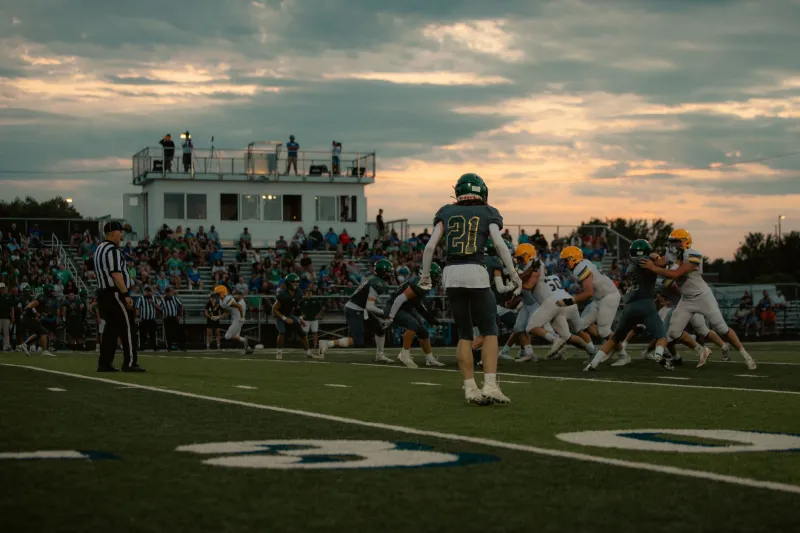
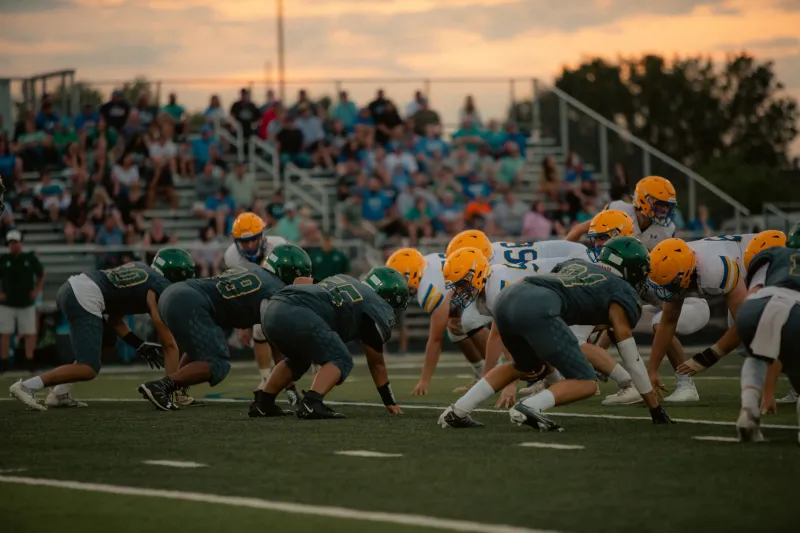
Drive far enough off the interstate in Texas and you'll find them — stadiums that seat a few thousand, maybe less, where the press box is basically a glorified storage shed and the end zone paint fades before Thanksgiving. These aren't the glamour venues. Nobody's filming a documentary about their renovation. But ask the right NFL veteran where they first understood what football could do for their life, and more often than not, they'll point you toward a place like this.
Small town. Smaller stadium. Enormous legacy.
Sanderson Memorial Stadium, Refugio
Refugio, Texas has a population that wouldn't fill most high school gymnasiums. But Refugio High School's football program has produced a per-capita rate of NFL players that would make most football factories blush. The stadium that hosts the Bobcats — a modest structure with aluminum bleachers and a track that's seen better decades — has been the proving ground for players who went on to earn NFL contracts and college scholarships at programs across the country.
What Refugio lacks in size, it makes up for in intensity. Games here are community events in the truest sense. There's nowhere to hide, no anonymity in the stands, no buffer between the players on the field and the people who raised them. Former Refugio players who've made it to the professional level consistently cite that fishbowl pressure as the thing that prepared them most for what came next.
"When you play in a town that small, everybody knows your name," said one former Bobcat who went on to play Division I football. "There's no hiding a bad game. You see those same people at the grocery store on Saturday morning. That accountability — it hardened me."
Sandifer Stadium, Wichita Falls
Up in the Panhandle region, Sandifer Stadium has been the home of Wichita Falls football for generations. It's a venue that carries the weight of decades — multiple state championship runs, legendary coaches, and alumni who've worn NFL jerseys. The facility itself is unassuming by any modern standard, but the football pedigree embedded in that turf is legitimate.
Scouts who make the drive out to Wichita Falls will tell you the same thing: the competition level in that corner of the state is consistently underestimated. Kids up there play physical, assignment-sound football because that's what their coaches demand and what the culture reinforces. It's not a system designed to produce highlight reels. It's a system designed to produce football players.
Several players who came through Sandifer Stadium went on to productive college careers at schools ranging from Texas Tech to smaller programs where they became four-year contributors and eventual professional prospects. The stadium doesn't get the press. The players get the results.
Why Scouts Keep Coming Back to the Overlooked Corners
There's a reason experienced NFL and college scouts build their Texas circuits to include stops that aren't on the obvious list. The obvious list — the DFW megaprograms, the Houston powerhouses, the San Antonio schools with enrollment numbers that dwarf some small colleges — those are already on everybody's radar. Competition for those kids is fierce before they've played a single varsity snap.
The overlooked stadiums offer something different: players who've been tested in environments where they had to be good enough to carry a program, not just good enough to be one piece of a loaded roster. A receiver who's the best player on a 3A team in West Texas has been asked to win games in ways that a receiver on a 6A powerhouse roster simply hasn't.
"I always tell young scouts, go find the kid who's been asked to do everything," one longtime regional scout explained. "Those kids in the small towns — they've been blocking on special teams and catching touchdowns and returning kicks since they were freshmen. They know how to play football, not just their position."
The Stadiums Themselves as Character Builders
There's something worth examining about the physical environment of these smaller venues and what it does to the players who compete in them. No amenities means no distractions. Limited resources mean the focus stays on execution and effort rather than equipment and aesthetics. Players who come up through these programs tend to talk about a grittiness that gets baked into their approach — a comfort with discomfort that serves them well when they move up to programs where the expectations are higher but the margin for error is the same.
The communities that surround these stadiums matter just as much as the facilities themselves. In small-town Texas, Friday night football isn't entertainment — it's identity. The weight of that expectation shapes young athletes in ways that are difficult to manufacture at a bigger school with a bigger budget and a bigger roster depth chart.
Keeping the Legacy Alive
Some of these stadiums are in genuine danger of deteriorating beyond repair. Budget constraints, declining enrollment in rural communities, and the ongoing consolidation of small school districts have put pressure on programs that have been quietly producing talent for generations.
That would be a real loss — not just for the communities themselves, but for the broader ecosystem of Texas athletics. The pipeline of talent that flows from these overlooked fields into college programs and eventually into professional ranks isn't an accident. It's the product of a specific kind of environment that can't be replicated just by building a bigger facility somewhere else.
The cracked bleachers and the faded paint and the scoreboards that sometimes work — they're not liabilities. They're the whole point. And the players who came up in those stadiums know exactly what they're worth.