Home Is Where the Huddle Is: Texas Athletes Are Staying Put — And Shaking Up College Sports
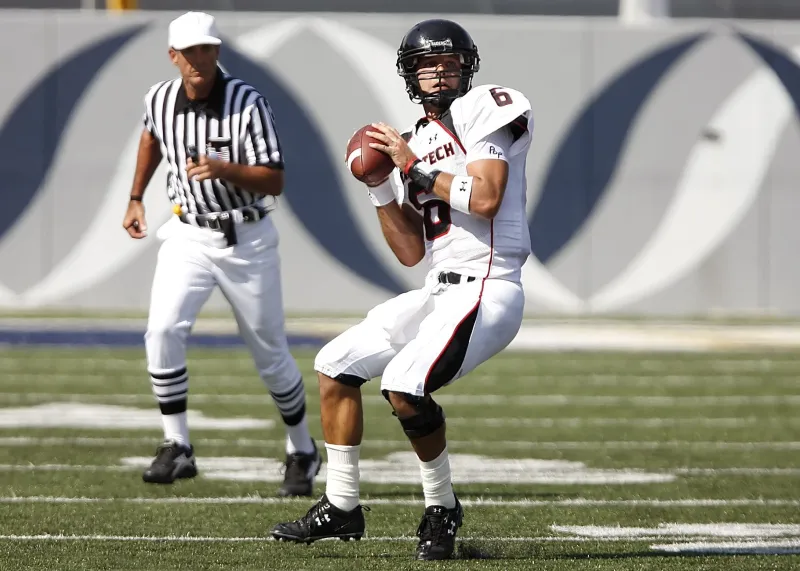
For years, the conventional wisdom was simple: if a Texas kid wanted a fresh start, they packed their bags and headed somewhere else. Ohio State, Alabama, Georgia — the usual suspects were always circling, ready to scoop up disenchanted Lone Star talent the moment they hit the portal. But something has quietly shifted. More and more elite Texas athletes are choosing to stay home when they transfer, and the consequences for in-state programs are nothing short of seismic.
Call it the Texas Two-Step. One program's loss is another Texas school's gain — and the whole state is watching.
The Portal Didn't Drain Texas. It Reshuffled It.
When the NCAA opened the transfer portal floodgates, most analysts predicted a talent exodus from smaller Texas programs to national powerhouses. And sure, some of that happened. But the data tells a more nuanced story. A significant chunk of portal movement involving Texas athletes has been lateral — UT to Texas A&M territory, or Baylor to TCU, or Houston to Texas Tech. The interstate pipeline that everyone feared hasn't fully materialized, at least not to the degree that was expected.
Why? A few reasons. Texas is enormous, and its college football ecosystem is genuinely one of the richest in the country. The SEC, Big 12, and AAC all have strong Texas-based programs. A kid from San Antonio or the Houston suburbs doesn't need to move to Ann Arbor to find a competitive environment, a major platform, or a serious NIL opportunity. The infrastructure is already here.
There's also the family factor. Texas athletes — especially those who grew up watching Friday night lights with their parents in the bleachers — tend to have deep roots. Staying within driving distance of home isn't a concession. For a lot of these guys, it's a deliberate choice.
Rivalries Just Got a Whole Lot More Personal
Here's where things get genuinely interesting. When a player transfers between in-state rivals, it doesn't just affect rosters — it charges the entire rivalry with a new kind of electricity. There's something different about lining up against a former teammate who knows your playbook, your tendencies, your weaknesses. Coaches have to account for that. Game-planning becomes more complex, and the emotional stakes get cranked up several notches.
Think about what it means for a Texas Longhorn fan to watch a former A&M starter torch their defense in the fall. Or a TCU faithful seeing a former Horned Frog catching touchdowns in Waco. These aren't abstract roster moves — they're storylines that fans carry with them all season long.
In-state transfers have essentially become a new subplot running underneath every major rivalry matchup. And honestly? It makes for better football.
Programs Are Being Forced to Compete Harder at Home
Maybe the most significant consequence of this trend is the pressure it puts on coaching staffs to retain their own talent. When out-of-state schools were the primary competition for portal-eligible players, Texas programs could at least lean on proximity and family ties as natural advantages. Now that in-state rivals are just as aggressive in the portal, that cushion is gone.
Texas A&M can't assume a disgruntled UT player won't end up in College Station. Baylor has to actively make its case against TCU and Texas Tech simultaneously. This competition is forcing programs to get more intentional about player development, communication, and — increasingly — NIL deals structured to keep homegrown talent from walking across state lines to a rival.
The result is a healthier, more competitive in-state landscape. Schools that used to coast on reputation are now having to earn their roster spots every single offseason.
The Unexpected Powerhouse Problem
One underappreciated side effect of this internal talent circulation is the emergence of unexpected roster combinations that nobody saw coming. When a highly recruited receiver who didn't pan out at one program lands at a mid-tier in-state school, the results can be surprising. Suddenly a program that wasn't supposed to compete for a conference title has a receiving corps that looks like a first-round draft board.
This is happening more than people realize. Texas's depth of high school talent is so extraordinary that even "failed" recruits at major programs are often legitimately elite athletes who just needed a different system, a different coach, or a different environment to unlock their potential. In-state transfers give those players a second chance — and give smaller programs a genuine shot at punching above their weight.
What It Means for the Long Game
The Texas-to-Texas transfer trend isn't just a blip. It reflects something real about how athletes and their families are thinking about college sports in the NIL era. Proximity matters. Familiarity matters. And the idea that leaving Texas is the only way to find opportunity? That narrative is getting harder to sell by the season.
For fans, this means richer storylines, more competitive games, and a college sports landscape that feels — maybe for the first time in a while — genuinely local. The talent isn't leaving. It's just moving around the block.
And in Texas, that's more than enough to keep things interesting.