Dirt Roads and Dynasty: The Hidden Forces That Make Texas a Sports-Breeding Machine
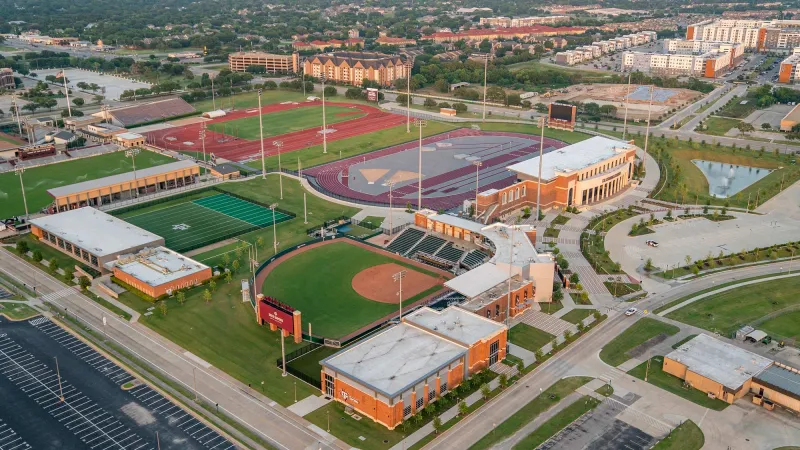
Photo: Texas sports culture youth athletics community stadium, via www.tamu.edu
Let's be honest about something: Texas gets a lot of grief for its confidence. The "everything's bigger in Texas" thing gets old fast if you're from anywhere else. But when it comes to sports — and specifically when it comes to developing elite athletes at a scale no other state can match — that confidence isn't bravado. It's just accurate.
This isn't about one sport, one era, or one lucky generation of talent. Texas produces champions across the board, decade after decade, in ways that are too consistent and too widespread to chalk up to geography or coincidence. There's an architecture to it. A system, partly intentional and partly organic, that turns ordinary kids into extraordinary competitors. And most people outside the state either don't know about it or don't want to admit it.
So let's talk about what's actually going on.
It Starts With the Coaches — and the Coaches' Coaches
In a lot of places, high school coaching is a side gig. You teach history, you run practice for a couple of hours, you go home. In Texas, that model largely doesn't exist at the programs that matter. The coaching culture here is professional in every meaningful sense of the word, even when the paychecks don't always reflect it.
Texas has produced a coaching lineage that functions almost like a franchise system. Legendary programs spawn assistant coaches who go on to build their own dynasties, who then develop the next generation of coaches. The knowledge doesn't die when a coach retires — it gets passed down and refined. You can trace tactical DNA from programs in West Texas all the way through to NFL sidelines if you follow the right threads.
What these coaches share, almost universally, is an obsession with fundamentals. Texas football coaches, in particular, have long emphasized technique over raw athleticism. The idea being that you can find athletic kids everywhere, but if you teach them to play the right way from a young age, you're building something that lasts. That philosophy has a compounding effect. Players who learn the right habits early become coaches who teach the right habits. The cycle sustains itself.
Community Buy-In Is Not a Metaphor Here
Somewhere in suburban Houston, there's a high school football stadium that cost more than $60 million to build. You've probably heard about it — it made national headlines and drew the predictable eye-rolls from people who thought it was obscene. What those critics missed is what that stadium represents: a community that decided, collectively, that investing in its young athletes was worth real money.
Texas communities vote to fund athletic facilities at rates that genuinely stagger people from other states. New weight rooms, synthetic turf fields, indoor practice facilities, film rooms with equipment that rivals what you'd find at mid-major college programs — these aren't luxuries in Texas athletic culture. They're expectations. And the investment shows up in the product on the field.
But it goes beyond bricks and mortar. The social infrastructure around Texas youth sports is remarkable. Booster clubs that actually function. Parent networks that organize travel for exposure tournaments. Local businesses that sponsor equipment drives. There's a communal ownership of athletic success that makes young athletes feel like they're performing for something bigger than themselves — because they are.
That psychological piece matters more than people give it credit for. Kids who feel supported, who feel like their community has a stake in their success, tend to outwork kids who are just playing for themselves. Texas figured that out a long time ago, even if nobody sat down and wrote it in a policy document.
Year-Round Competition Is the Standard, Not the Exception
In states with harsh winters, the sports calendar has a natural off-season. Not here. Texas's climate allows for year-round outdoor training, and the culture demands it. Seven-on-seven football leagues run through the spring. Baseball travel teams operate twelve months a year. AAU basketball circuits keep players competing from January through August.
This matters enormously for development. Elite athletes aren't built in three-month windows. They're built through sustained, high-repetition exposure to competition. A Texas kid who plays seven-on-seven in the spring, attends a skills camp in June, participates in fall football, and then hits the weight room all winter is accumulating thousands of hours of sport-specific development that kids in other climates simply can't match.
The year-round calendar also accelerates the sorting process. Coaches and scouts get more looks at more players across more situations. The cream rises faster because there are more opportunities to demonstrate talent. And for the players at the top of the pyramid, the constant competition sharpens them in ways that sporadic seasonal play never could.
The Psychology of Playing in a Tradition-Rich Environment
Here's something that doesn't get talked about enough: what it does to a young athlete's mentality to grow up inside a sports culture with genuine historical weight.
When a kid in Odessa or Waco or Allen puts on a varsity jersey for the first time, he's stepping into a legacy. Former players who went on to college and professional careers are part of the program's identity. The banners in the gym, the trophies in the case, the names on the wall — they're not decorations. They're a standard. And competing against that standard, even implicitly, pushes athletes to levels they might not reach otherwise.
Sports psychologists will tell you that identity-based motivation — playing for something you belong to — is one of the most powerful drivers of athletic performance. Texas has been building those identities for generations. The tradition isn't just nostalgia. It's fuel.
This extends to the competitive environment between programs. When your district rivals have sent players to the NFL, when the team you play on Thanksgiving has a trophy case as deep as yours, the weekly competition has real stakes. You're not just playing for a district title. You're playing for your place in a story that stretches back decades.
Beyond Football: The Broader Picture
It would be easy to reduce this whole argument to football, because football is where Texas's athletic identity is most visible. But the same structural advantages show up across sports. Texas has produced elite track and field athletes, professional baseball players, NBA talent, and Olympic competitors at rates that consistently punch above the state's weight.
The reasons are the same: deep coaching traditions, community investment, year-round development opportunities, and a cultural expectation of excellence that young athletes absorb before they're old enough to fully understand it.
That last piece might be the most important one. In Texas, athletic ambition is normalized. Wanting to be the best isn't seen as arrogant — it's seen as appropriate. That mindset, instilled early and reinforced constantly, produces a kind of competitor that's genuinely rare.
The Honest Takeaway
Texas doesn't build champions by accident. It builds them through decades of intentional community investment, a coaching culture that treats youth sports with professional seriousness, year-round competitive environments that accelerate development, and a tradition-rich identity that gives young athletes something larger than themselves to compete for.
The rest of the country sees the results — the draft picks, the championships, the All-Americans — and sometimes attributes it to luck or population size. That's a comfortable explanation. It's also wrong.
The architecture is real. The system works. And from where we're sitting at The Texas Statesman, it's one of the most genuinely impressive stories in American sports — hiding in plain sight, one Friday night at a time.